Free Narrow CPR Stock Scanner: Daily Shortlist for Breakout Trades
Narrow CPR · Stock Scanner
There are no items in your cart
Add More
Add More
| Item Details | Price | ||
|---|---|---|---|
Markets keep changing every year, but the basics of discipline, risk management and patience never go out of style - Trading Direction
What you'll learn in this Blog: What intraday trading really means, how to set up your account the right way, how to pick stocks for intraday in 2026, risk management rules that actually matter, position sizing, the trading journal habit, and the mistakes that quietly drain most beginners' accounts.
Honestly, every January I see the same pattern repeat itself. A fresh batch of people opens their first trading account, watches a couple of "how to make ₹2000 daily" reels over the weekend, and jumps straight into intraday trading on Monday morning without really knowing what they're getting into. 2026 isn't going to be any different — the apps are faster, the data is everywhere, the AI tools are louder, but the basics underneath it all are exactly the same as they were a decade ago.
So let's slow down for a minute, grab a cup of chai, and talk properly. Intraday trading is not gambling, and it's definitely not a shortcut to quick money. It's a skill — one that comes with its own rules, tools, and a learning curve, much like driving a car or learning an instrument for the first time. If you're a beginner planning to start intraday trading in 2026, think of this guide as the "before you start" conversation I genuinely wish someone had sat me down for when I began.
If this kind of practical, no-hype content helps you, Trading Direction is where we share more of it on a regular basis — no fluff, just things we've actually learned the hard way.
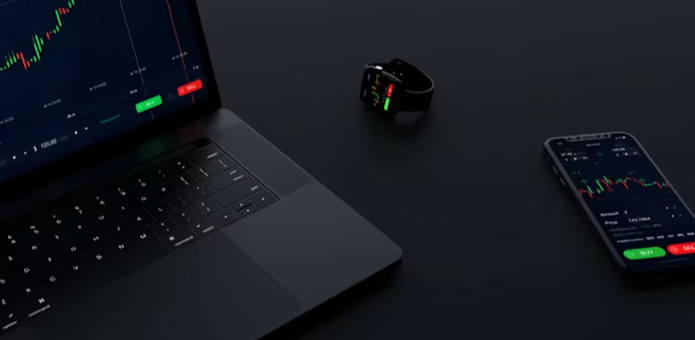
In plain words, intraday trading means buying and selling a stock on the same trading day — there's no holding it overnight, no "let's see what happens tomorrow." You enter a position once the market opens (or whenever your setup triggers during the day), and you must close it out before the market shuts, usually around 3:15–3:20 PM. Simple to say, much harder to do calmly when your money's actually on the line.
The whole idea is to catch small price moves within the day, rather than sitting on a stock for weeks or months like an investor would. And that's exactly what makes intraday trading fast, exciting, and mentally tiring all at once. It rewards discipline, and it punishes impulsiveness — almost instantly, sometimes within seconds of you clicking that buy button.

Before anything else, you'll need a Zerodha Demat and Trading Account (or any broker you're comfortable with — that part's really up to you). Just make sure your account supports MIS — Margin Intraday Square-off — because that's the product type used for intraday positions.
Once your account is live, please don't rush to place your first trade the same evening. I get it, the excitement is real. But spend a few days just exploring the app first. Where exactly is the buy/sell button? How do you switch between a market order and a limit order? How do you set a stop loss before you even enter? How do the order book and position book actually work? These feel like tiny, boring details — until you're fumbling with the app in the middle of a live trade and it costs you real money.
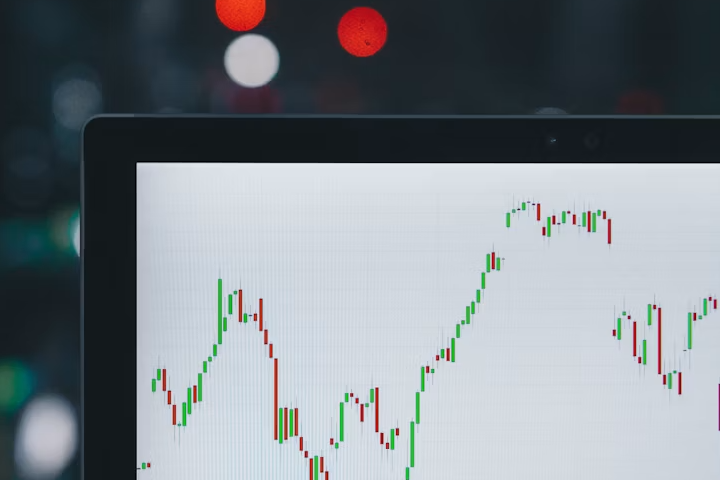
One of the most common beginner mistakes — and I've made this one myself early on — is jumping into whatever stock someone mentioned in a Telegram group or a YouTube video that morning. For intraday trading, you really want to stick to liquid, high-volume stocks — generally large-caps and index heavyweights — where the bid-ask spread is tight and you can get in and out quickly without losing money just on slippage.
Before taking any intraday trade, run through this quick checklist:
Intraday trading uses leverage, which means it magnifies both your gains and your losses — both directions, equally and without mercy. That's exactly why risk management has to come before strategy, not after. Before you even start thinking about how much you could make on a trade, sit down and decide how much you're okay losing on it.
A few basic rules that every beginner should follow, even in 2026, no matter how "advanced" the app or the AI tool looks:
Your number one job as a beginner is to protect your capital. Profits show up naturally once you've survived long enough to become consistent.
There's no shortage of strategies floating around online — breakout trading, scalping, support-resistance, moving average crossovers, VWAP-based entries, and honestly a dozen more I haven't even mentioned. The mistake most beginners make (myself included, back in the day) is trying all of them in the same week and ending up mastering none of them.
Pick one simple, rule-based approach that actually fits your schedule and your personality. If you can only watch the market for the first hour after it opens because of your job or college, something like an opening range breakout (ORB) setup might genuinely suit you far better than a strategy that needs your eyes glued to the screen all day.
Whatever you choose, give it at least 3-4 weeks. Track every trade. Then decide if it's working for you. Jumping strategies every other week is probably the single fastest way to stay a beginner forever.

I know, I know — writing notes after a tiring trading session sounds like homework you'd rather skip. But trust me, a trading journal is genuinely one of the fastest ways to grow as a trader. After every session, just take five minutes to jot down what setup you took, your entry and exit, whether you actually stuck to your plan or not, and what you'd do differently next time.
After a few weeks of doing this, you'll start noticing your own patterns — the setups that consistently work for you, the times you trade out of pure boredom or frustration, and the small emotional triggers that quietly cost you money without you even realising it in the moment. No video or course can show you these patterns. Only your own journal, written in your own words, can.
Intraday trading looks deceptively simple from the outside, but small mistakes add up fast — almost without you noticing. Some of the most common ones I keep seeing, over and over again, year after year:
Social media is full of screenshots of huge intraday wins, but nobody ever posts the string of losing trades that usually came before that one big day — funny how that works. Intraday trading is a skill that takes months, sometimes years, of consistent, slightly boring practice to get genuinely good at.
In 2026, with more tools, more data, and more education available than ever before, beginners genuinely have an edge — but only if that edge is used to learn properly, instead of chasing the next quick win. Track your early progress by how well you followed your plan and managed your risk, not by how much money landed in your account on any one day.
Starting intraday trading in 2026 is easier than it's ever been, at least in terms of access — opening an account takes minutes, and information is everywhere you look. But the fundamentals underneath it all haven't moved an inch. You still need the right account and tools, a clear understanding of risk, one strategy you genuinely understand inside-out, and the discipline to track and review every single trade — even the small, "unimportant" ones.
Focus on surviving first, learning second, and growing third — in that exact order. The traders who make it long-term aren't the ones who got lucky early on. They're the ones who quietly, almost boringly, built good habits from day one and just kept showing up.
Start small, stay disciplined, and let consistency do the rest.
Disclaimer: Trading and investing in the stock market are subject to market risks. This article is for educational purposes only and should not be considered investment advice. Always do your own research and understand your risk-taking capacity before making any financial decision.
At Trading Direction, we share practical, no-hype content on intraday trading, option trading strategies, risk management and trading psychology — so you can become an informed and disciplined trader. Read more of our articles and take your trading journey in the right direction. For daily updates, follow us on YouTube and Instagram as well.
Want to learn more from Trading Direction? Join our Sunday Webinar and take advantage of live market insights, strategies and Q&A.

Anil Hanegave
9+ years of stock market trading experience and author of 8 trading books.