There are no items in your cart
Add More
Add More
| Item Details | Price | ||
|---|---|---|---|

I still remember staring at my first option chain, completely lost. If that's you right now, this one's for you - Trading Direction
In this blog for Beginners, you'll learn: what an option actually is, the real difference between buying and selling call and put options, and a few simple trading strategies you can actually start with.
Options seem confusing initially for newbies. But it’s simple: an option lets you buy or sell at a fixed price before a certain time.
Before learning options trading, it is important to understand what options are. Options are financial contracts that give traders the right, but not the obligation, to buy or sell an asset at a fixed price before a specific date. Their value depends on the price movement of the underlying asset, such as stocks, indices, currencies, or commodities. Since options have an expiry date, they can lose their value and expire worthless if the market does not move as expected.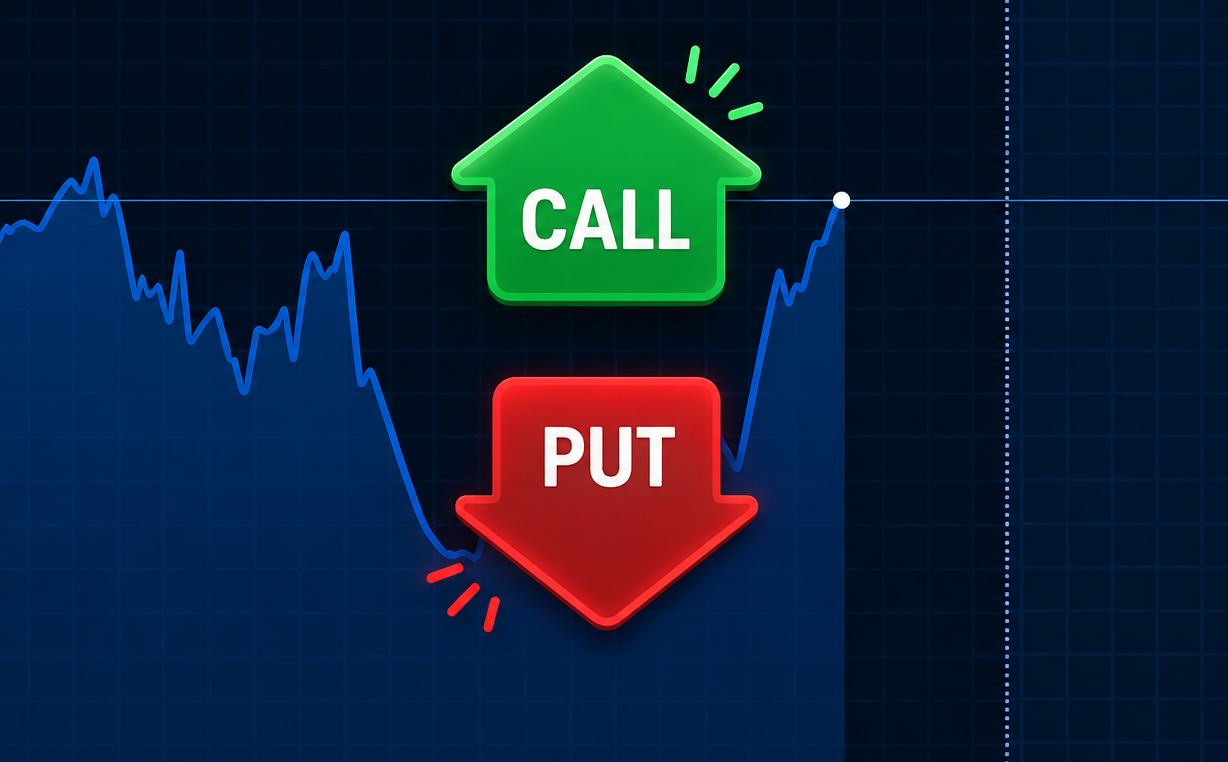
A Put Option (PE) gives the buyer the right to sell an asset at a fixed price, called the strike price. The person who sells the Put Option (Option Seller) must buy the asset at the strike price if the buyer chooses to use the option. Like a Call Option (CE), a Put Option also has an expiry date. After expiry, the contract becomes invalid. People who sell Put Options are called Option Sellers.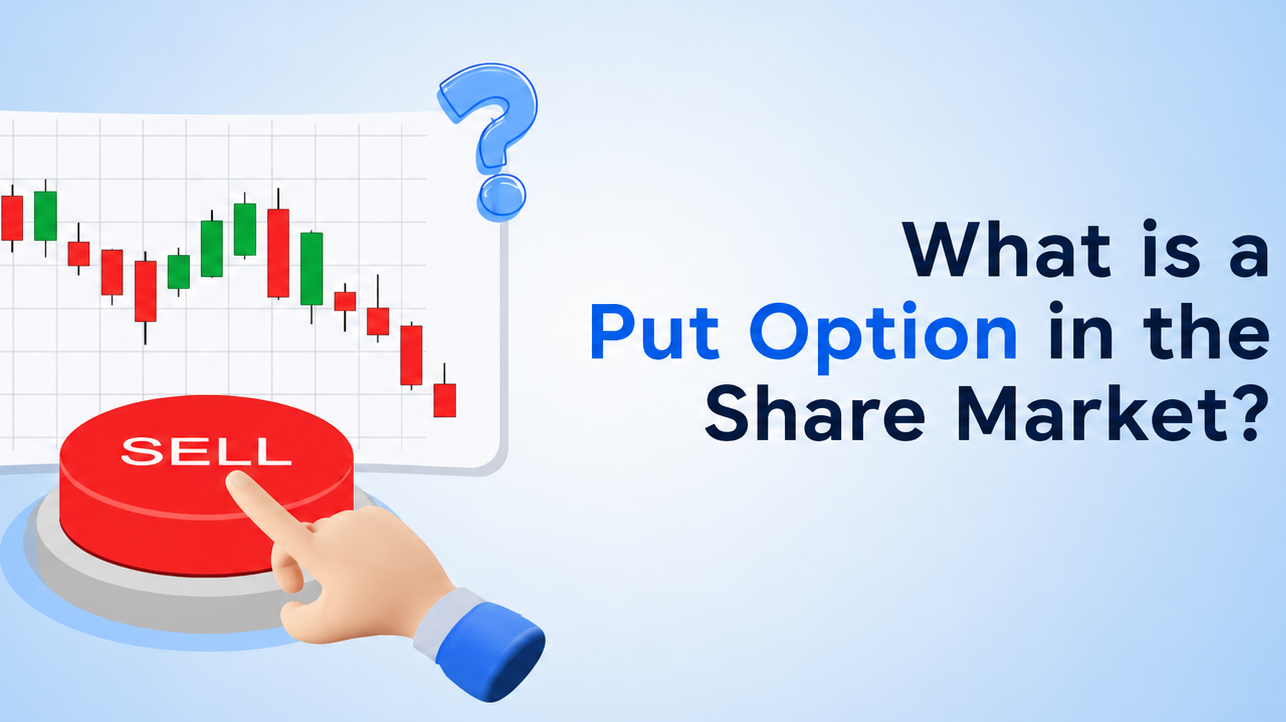
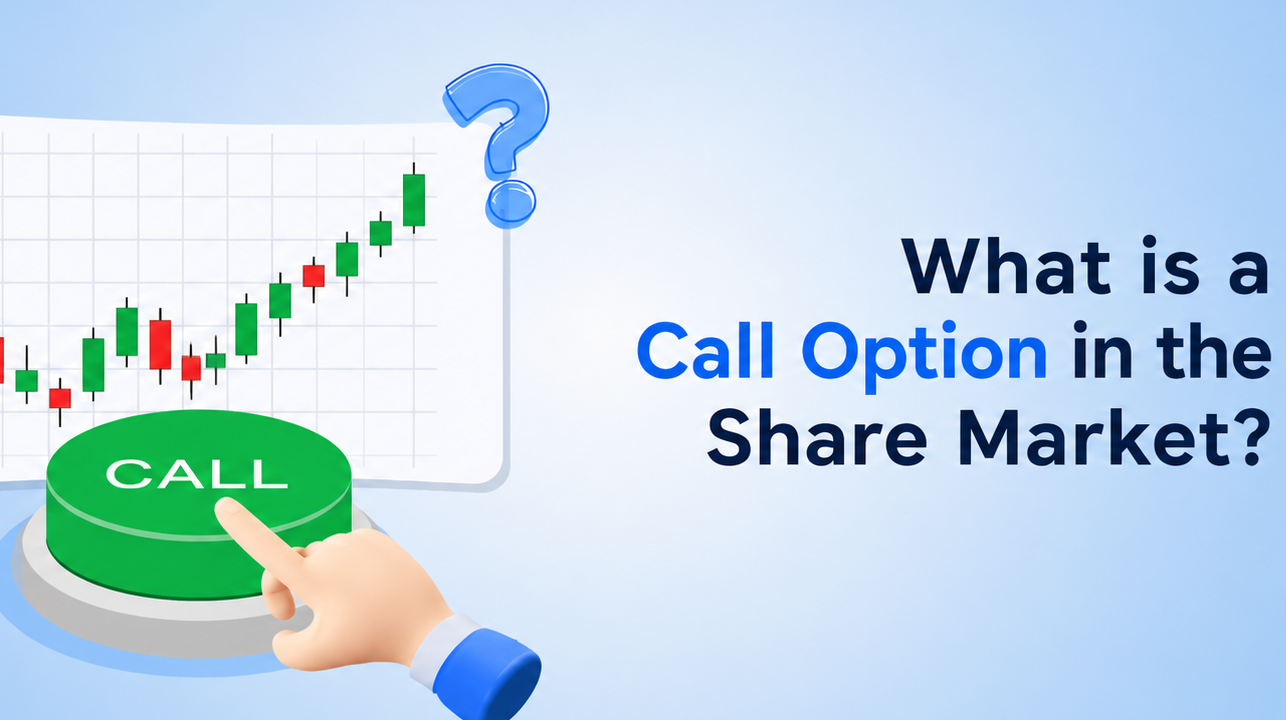
There are two types:
• Call Option (CE): Right to buy.
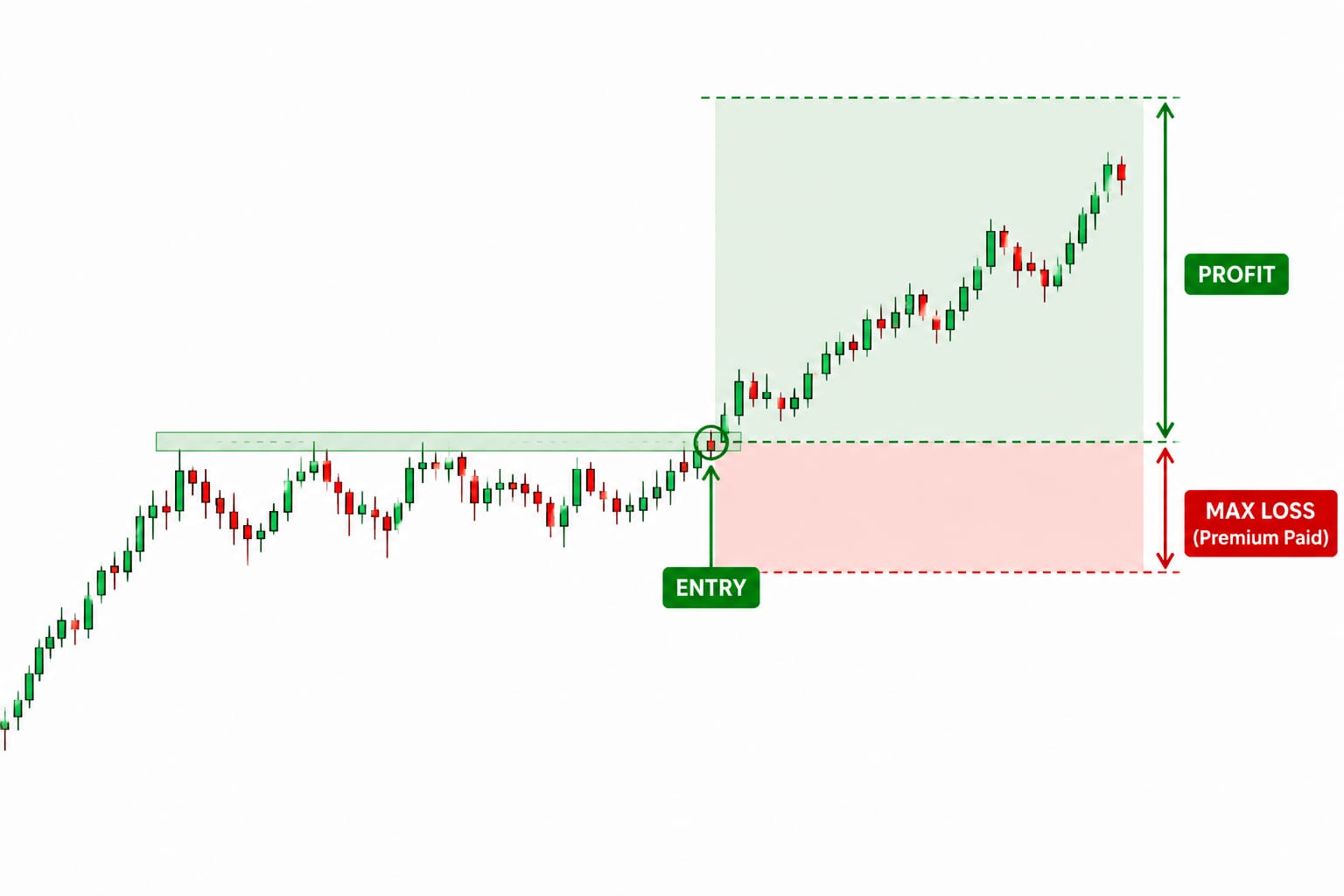
• Put Option (PE): Right to sell. The Option Buyer pays a premium and has limited risk with potentially unlimited profit like insurance premium. The Option Seller receives the premium and has limited profit but higher risk.
The Seller's Side
As an Option Seller, you get the premium when you sell the option.Your profit is limited to the premium received, but your risk can be very high. That's why option selling is generally recommended for experienced traders and is usually done with proper risk management.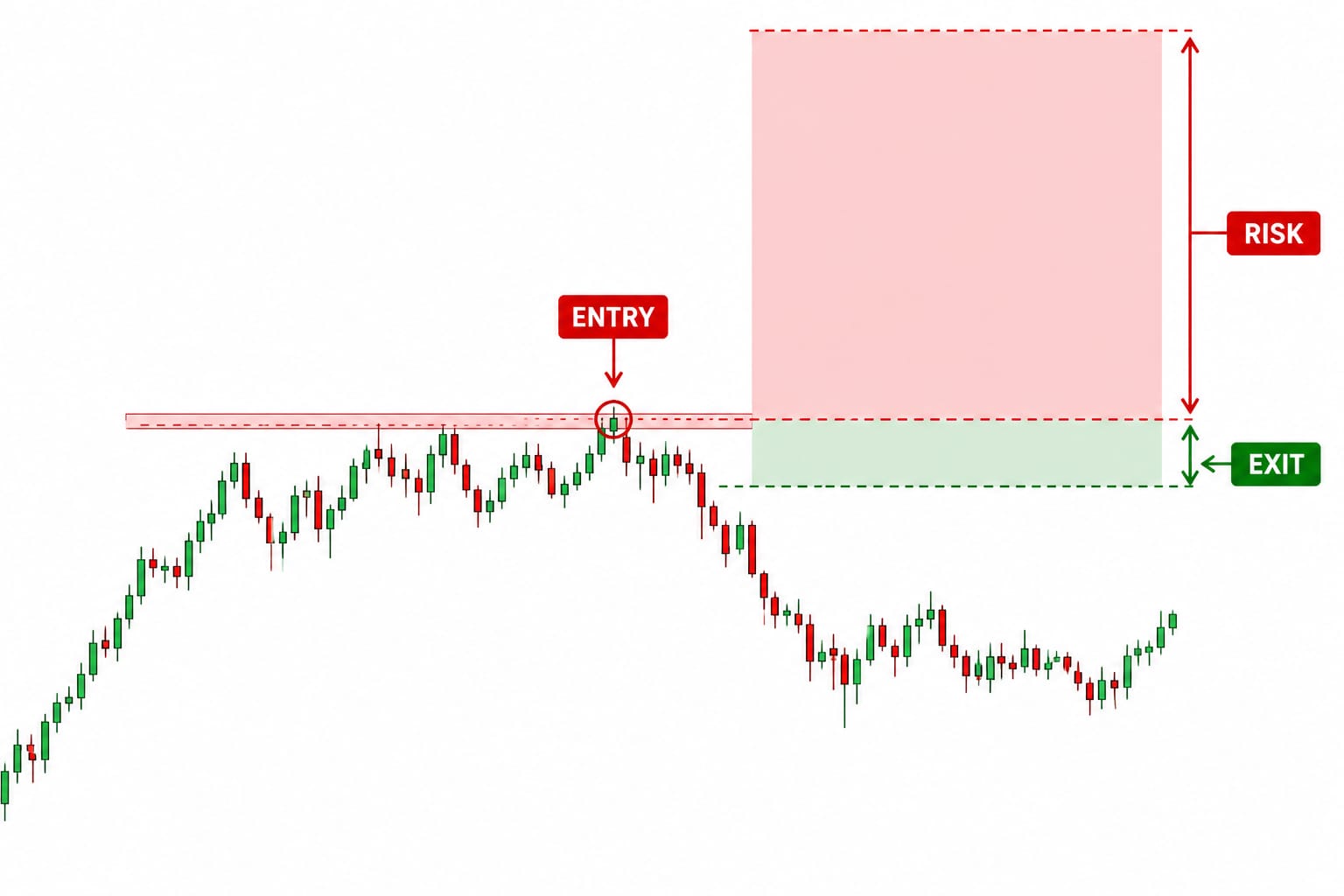
| Point | Option Buyer | Option Seller |
|---|---|---|
| Money | Pays the premium | Receives the premium |
| What you hold | Freedom to decide |
Must follow the contract |
| Worst case | Limited to the premium paid | Loss can be very high |
| Best case | Unlimited profit potential |
Fixed maximum profit |
| Margin needed | No, just the premium | Yes, your broker blocks margin |
| Time decay | Works against you daily | Works in your favour daily |
| Best suited for | Beginners — risk is fixed from the start. |
Experienced traders, ideally hedged |
Buyers take limited risk for higher profit potential, while sellers earn a fixed premium but face higher risk
You don't need to learn all these terms on day one. You'll understand them naturally as you gain trading experience.
| Word | What it means |
|---|---|
| Strike Price | The fixed price written into the contract — where you can buy (call) or sell (put). |
| Premium | The amount paid by the buyer and received by the seller for an option. |
| Expiry Date | The last day the option is alive. After that, it's gone, no matter what. |
| ITM (In the Money) | An option that is currently profitable. |
| ATM (At the Money) | The strike price is very close to the current market price. |
| OTM (Out of the Money) | Currently not profitable and may expire worthless. |
| Time Decay (Theta) | An option loses value as expiry gets closer. This hurts buyers and benefits sellers. |
| Implied Volatility (IV) | Expected price movement; higher volatility means higher premiums. |
| Assignment | When an option seller is required to fulfill the contract. |
Once you understand calls, puts, and how buyers and sellers work, these strategies become much easier. They are simply ways to trade based on your market view while managing risk.
| Strategy | What you're doing | When it fits |
|---|---|---|
| Buying a Call | Pay a premium for the right to buy. Loss is limited to the premium, while profit potential is unlimited. |
Used when you expect the price to rise and want limited risk. |
| Buying a Put | Pay a premium for the right to sell. Loss is limited to the premium, while profit increases as the price falls. |
Used for bearish views |
| Covered Call (Selling) | Own the stock and sell a call for extra income. |
Used to earn extra income while holding the stock. |
| Protective Put (Buying) | Own the stock and buy a put for protection. |
Used to protect your investment from a sharp decline. |
| Cash-Secured Put (Selling) | Sell a put and keep cash ready to buy the stock. |
Used to earn income while waiting to buy a stock at a lower price. |
The first two are buying strategies and are beginner-friendly because the maximum loss is known from the start. Selling strategies usually require owning the stock or keeping cash ready, making them more suitable for experienced traders.
Options move quickly, making them both exciting and risky. Good habits help beginners avoid mistakes and become better traders over time.
You don’t need to remember everything quickly. Focus on understanding just calls & puts, and the difference between buying and selling — until they feel natural. Start small, and only take trades where you already know your maximum loss. Give yourself time to learn as a beginner. Staying in the market long enough matters more than any single smart trade.
Want to Learn More From Trading Direction?
At Trading Direction, we share practical, no-hype content on intraday trading, option trading strategies, risk management and trading psychology — so you can become an informed and disciplined trader. For daily updates, follow us on YouTube and Instagram as well.
Disclaimer: Trading and investing in the stock market are subject to market risks. This article is for educational purposes only and should not be considered investment advice. Always do your own research and understand your risk-taking capacity before making any financial decision.
 Launch your Graphy