Free Narrow CPR Stock Scanner: Daily Shortlist for Breakout Trades
Narrow CPR · Stock Scanner
There are no items in your cart
Add More
Add More
| Item Details | Price | ||
|---|---|---|---|
Risk Management · CPR Strategy
Small Stop Loss Trading Strategy: Learn how CPR Width, entry quality, position sizing and risk-reward work together to improve your trading decisions.
Anil Hanegave · Updated: Aug 12, 2026 · 12 min read
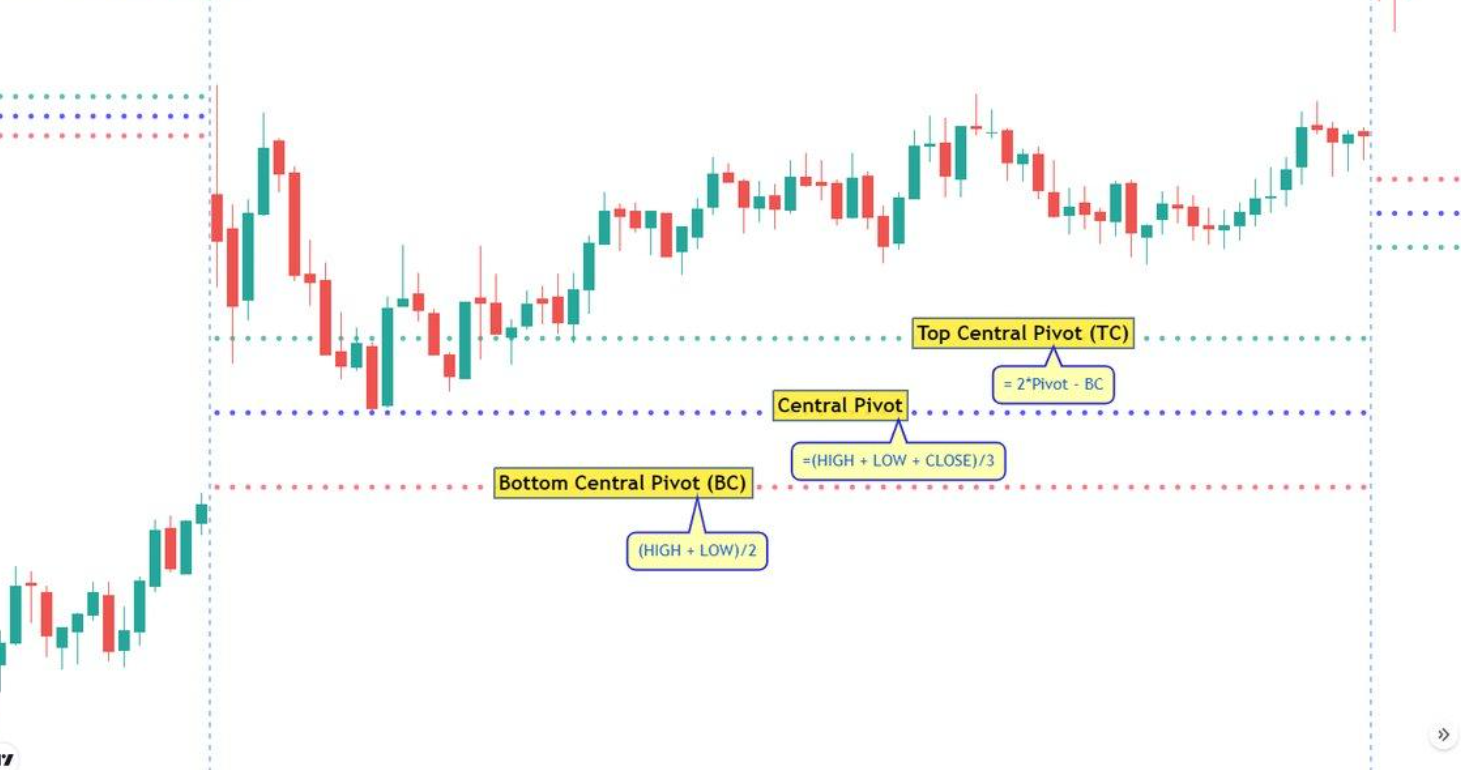
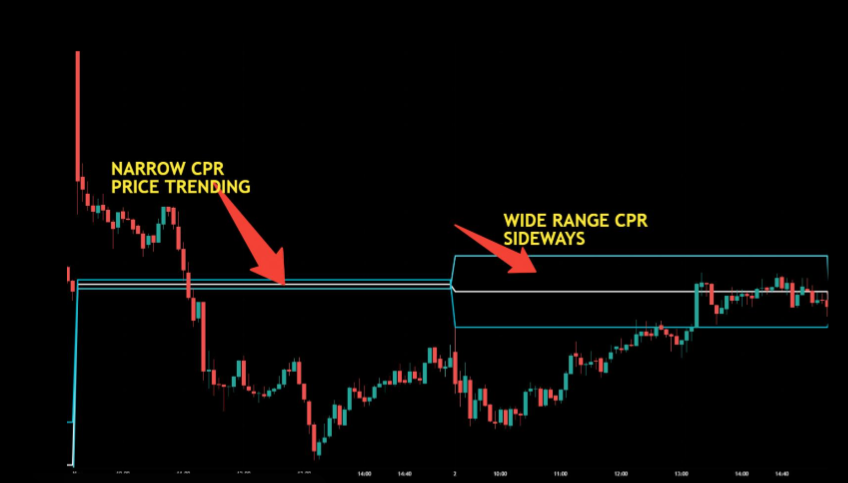
CPR Width — the distance between the Top Central Pivot (TC) and the Bottom Central Pivot (BC) — is not just an indicator. It tells you how much natural room a trade has to prove its thesis right.
That's why CPR Width connects directly to stop loss placement, entry quality and potential reward. Until you plan your stop loss with width in mind, you'll either exit trades too early, or take on more risk than you realize.
TC
BC
Tighter entry zone
TC
BC
Wider trading range
You can trade both situations — but your entry and stop loss approach should be different for each.
A small stop loss isn't forced — it's earned through a better entry location.
Here's a simple example of how stop loss distance changes risk-reward, even when the target stays exactly the same.
Entry: ₹100
Stop Loss: ₹98
Risk: ₹2
Target: ₹106
Reward: ₹6
Entry: ₹100
Stop Loss: ₹94
Risk: ₹6
Target: ₹106
Reward: ₹6
The target is identical in both trades — ₹106. The only difference is where the stop loss sits. That difference takes the risk-reward from 1:3 to 1:1.
| Trade | SL Distance | Fixed ₹ Risk | Quantity | Risk:Reward |
|---|---|---|---|---|
| Tight Entry | ₹2 | ₹2,000 | 1,000 | 1 : 3 |
| Wide/Late Entry | ₹6 | ₹2,000 | 333 | 1 : 1 |
Hedging is often misunderstood as something that removes risk. In reality, hedging doesn't eliminate risk — it redistributes it and comes with its own cost.
When a stop loss widens — whether because of CPR Width or a poor entry — risk automatically increases. If the target isn't adjusted proportionally, trade quality drops.
Stop loss should be based on the trade's invalidation point and market structure.
Control risk by adjusting position size — not by artificially squeezing the SL.Stop Loss = the price where your trade thesis becomes invalid.
Position Size = the rupee risk you can afford, divided by that stop loss distance.
Use this sequence before every trade.
Replace the image below with your actual annotated CPR chart.
| CPR Width | Narrow |
| Risk | ₹18 |
| Reward | ₹54 |
| Risk : Reward | 1 : 3 |
Taken right after the TC breakout, with retest confirmation — not chased.
Just below the breakout candle's low — where the thesis would genuinely be invalid.
A predefined target at the next resistance zone, decided before entry.
Founder, Trading Direction. 9+ years of stock market trading experience, author of 9 published trading books, and a National Award-winning trading educator.
Anil has trained 21,000+ students across Intraday, Options and Swing Trading through the CPR Brahmastra Strategy.
Join Anil Sir's free Sunday webinar and learn CPR + Price Action + Risk Management + Entry-Exit, step by step.
CPR Width is the distance between the Top Central Pivot (TC) and Bottom Central Pivot (BC). It shows how tightly or widely the market consolidated in the previous session.
After a Narrow CPR, range expansion can be more likely, so the SL may need more room. A Wide CPR can also require additional room depending on market structure.
A small stop loss is earned through a better entry. Entering close to CPR, support/resistance or confirmed price action keeps the invalidation point closer.
There is no universal best stop loss. Base the SL on the trade's invalidation point or market structure rather than using a random fixed number.
No. Narrow CPR can provide a more precise entry but can also indicate volatility expansion. It is a signal, not a guarantee.
Position Size = Total Rupee Risk ÷ Entry-to-Stop-Loss Distance. The wider the stop, the smaller the quantity should be.
Risk comes from your stop loss distance and reward comes from your target distance. Widening the SL without increasing the target proportionally worsens risk-reward.
Look for CPR levels, price-action confirmation and market structure aligning together. Decide your target and invalidation before entering.
No. A wider SL can be valid when market structure requires it, provided position size is reduced to maintain controlled risk.
CPR can help identify support/resistance zones, trend bias, range compression and expansion, and can assist with entry and stop-loss planning.
CPR Indicator | CPR Strategy | Intraday Trading | Price Action | Trading Psychology
Disclaimer: Trading Direction is an educational platform. The information in this article is for educational purposes only and is not a recommendation to buy or sell any security. Chart examples are illustrative. Trading in the securities market carries financial risk; past performance or illustrative examples do not guarantee future results. Please do your own research and/or consult a certified financial advisor.