Free Narrow CPR Stock Scanner: Daily Shortlist for Breakout Trades
Narrow CPR · Stock Scanner
There are no items in your cart
Add More
Add More
| Item Details | Price | ||
|---|---|---|---|
5 common Vastu mistakes at your trading desk that could quietly be draining your profits.
7th August 2026, 5 Min Read.
"The market doesn't just test your strategy — it tests your state of mind."
Most traders spend hours refining entries, exits, and risk management, but overlook something far simpler: where and how they physically sit while trading. Screen Brightness, Light and Sitting comfort affect on trading decisions. According to Vastu Shastra, the direction your desk faces, where your screens sit, and even what's tangled under your table can quietly influence focus, decision-making, and discipline. Here are five common setup mistakes worth knowing.
Protecting capital is the first rule of survival in trading. According to Vastu, a desk facing South is considered one of the biggest warning signs a trader can have. South is traditionally linked to outflow and expenditure — trading while facing this direction is said to make profits slip away before they're locked in. This often shows up as a "leaky bucket" pattern: one solid win, followed by an even bigger loss on the very next trade.
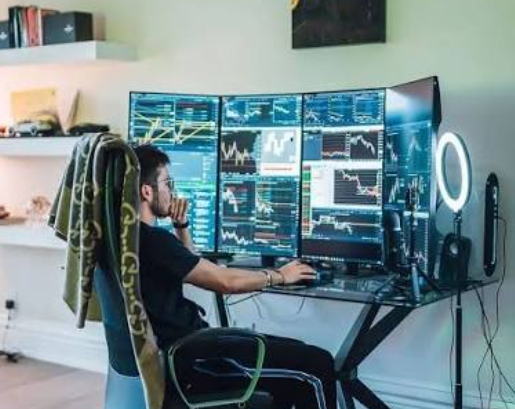
Where your monitors sit matters as much as what's on them. Many traders unknowingly position their screens facing West — a placement believed to fuel greed. Instead of booking profit at target, traders hold on, only to watch the market reverse and wipe out the gain. A window directly behind the screen compounds the problem, constantly pulling focus and leading to misread chart patterns. I also affect on eyes, increase stress.
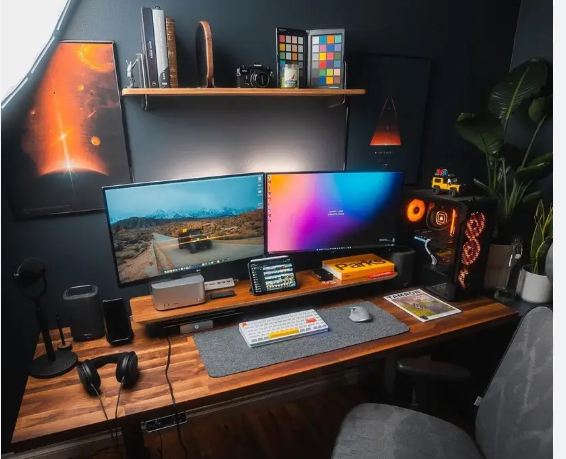
In Vastu, the North-East corner (Ishanya) is treated as the lightest and most sacred zone — the seat of mental clarity. Cramming this corner with a heavy terminal, CPU, or a pile of gadgets is thought to mentally "block" the trader. When the market moves fast, this often shows up as freezing instead of acting — classic analysis paralysis — right when quick judgment matters most.
In cramped city apartments, desks often end up wherever there's space — sometimes directly under an exposed beam. This is said to create constant, low-grade psychological pressure, feeding anxiety and panic while trading. Traders in this spot often end up selling right at the bottom and buying right at the top, because their mental state never fully settles.